From Parking Lot to Pint Lid: A QR Code Checkup for Your Farm
Photo: Internet Archive Book Images, No restrictions, via Wikimedia Commons
A QR code on a farm sign is a small act of trust. The customer points a phone at a square the size of a postage stamp and expects something worth the trouble. If they get a dead link, a generic homepage, or a page that takes fifteen seconds to load in a scratchy cell signal, that trust drains fast. The good news is you can catch most of those problems in an afternoon.
This is not a tech project. Think of it as a farm walk with a stranger's thumb. You are checking every code the way a real shopper meets it: from the parking lot, on an older phone, with one hand, while a kid waits in the car.
Start with the ten-second rule
Stand where your customer stands. Not in the office, not beside the router, and not on the farm's newest phone. Go to the gravel lot. Walk up to the stand sign. Pull out a phone that is a few years old and try the code with one thumb.
Give it ten seconds. That is roughly how long someone will wait before they decide the code is broken, boring, or not for them. If the page is still loading after ten seconds, the code has already failed, even if it eventually works.
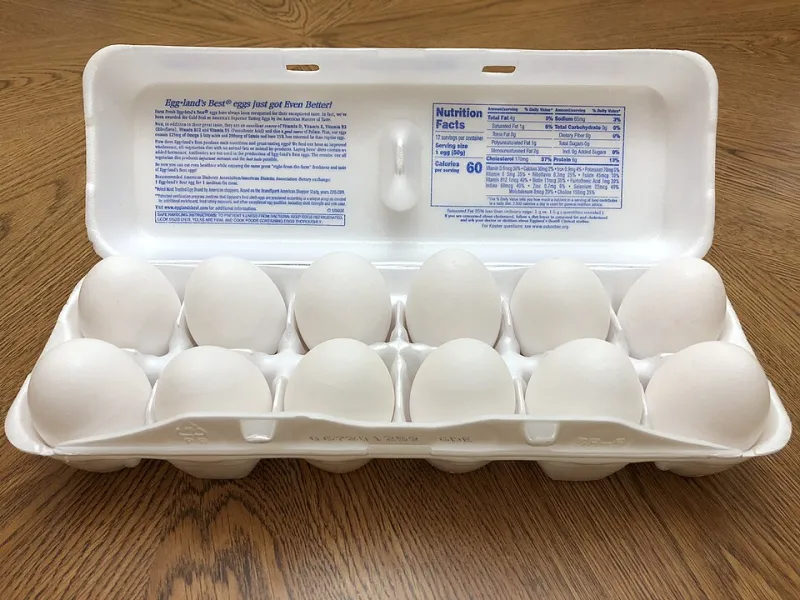
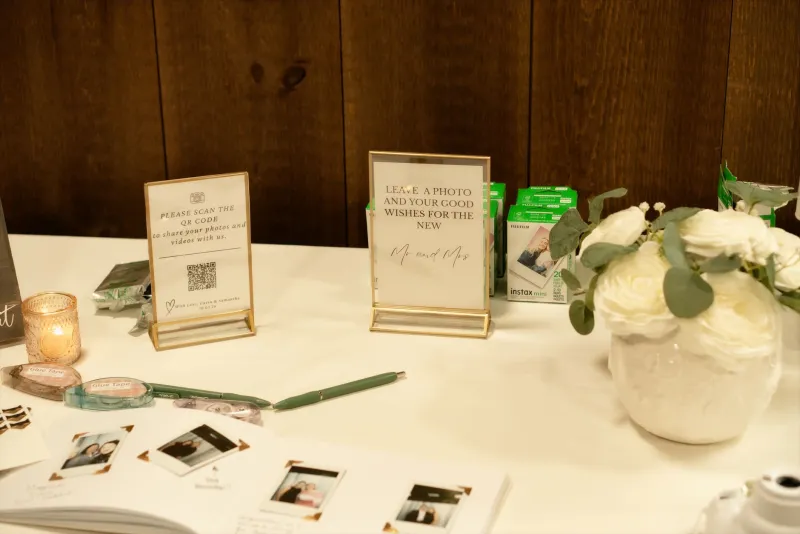
Do this at each spot where a code appears. The route should include the main stand sign, the pint containers, egg cartons, the pickup confirmation email, and the market table display. If you hand out bags at the farmers market, test the code on the bag while standing in the shade of your tent. That is the real condition.
Make a simple code inventory
Write down every place a QR code shows up. Include the obvious and the sneaky: the banner by the road, the back of a business card, the bottom of a receipt, the laminated sign on the U-pick wagon, the label on a jar of honey, the email that confirms a CSA pickup.
For each one, note three things: where it goes, what it asks the customer to do, and whether that job still matters. A code on an old sign might point to a spring CSA page in October. A code on a pint lid might send people to a homepage that never mentions berries. Neither is evil. Both are just out of date.
This inventory does not need software. A clipboard or a notes app is fine. The point is to stop guessing. Most farms have more codes than they remember, especially after a few seasons of printing labels and making signs.
Send each code to a specific page
A homepage is a lobby, not a destination. If someone scans a code on a berry box, they should land on a page about berries, picking hours, availability, or a simple signup. If they scan a code on a pickup confirmation email, they should see pickup details, a map link, and maybe a way to add their name to the text list.
Generic pages create a tiny moment of doubt. The customer thinks: did I scan the right thing? Is this the farm? Why am I reading about hay rides when I wanted to know if strawberries are ready? That doubt is enough to make them close the tab.
Use one landing page per job. A stand sign might point to a page with this week's hours, what is in season, and an email signup. A pint container might point to a page that explains how the berry box deposit works or invites people to join the pre-order list. A market table display might point to a page that says where else you sell during the week.
Give non-scanners a path
Not everyone scans. Some phones are old. Some people are privacy-minded. Some are holding a toddler and a tote bag. Every QR code needs a plan B.
Add a short URL or a text keyword next to the code. For example: scan for this week's produce list, or text BERRIES to 555-0100. If the code leads to an email signup, add a line that says you can also sign up at the stand tablet or by dropping a card in the jar. The fallback does two things: it helps the person who cannot scan, and it tells everyone that the farm is not hiding behind a square.
Keep the fallback short enough to read from a few feet away. A full URL with a long string of letters is not a fallback. It is a puzzle.
Track which codes do real work
A QR code without tracking is just a sticker. You want to know which ones drive email signups, pre-orders, pickup confirmations, and repeat visits. The simplest fix is to use a different short link for each placement. The stand sign gets one link. The egg carton gets another. The market display gets another.
If you use a QR code service, check whether it offers scan counts by code. If you build your own links, add a simple tracking parameter or use a free link shortener that reports clicks. Then look at the report once a month. Do not obsess over raw scans. A code on a pint lid may get fewer scans than a banner, but those scans may come from people who already bought something and are ready to buy again.
The better question is: which code creates a useful action? An email signup, a pre-order, a pickup confirmation, a text opt-in. Those are the numbers that matter.
Fix the dead links first
Dead links are the easiest win. Test every code and replace the broken ones before the next market day. If a code points to an old event page, redirect it to the current page or print a new sign. If a code points to a Facebook page you no longer update, change it. If a code goes to a PDF that takes forever to load, make a mobile-friendly page instead.
While you are at it, check the page on a slow connection. Turn off Wi-Fi and use cellular data. Walk to the far end of the parking lot. If the page still loads in a few seconds, you are in good shape. If it crawls, shrink the images and remove the autoplay video.
Put the audit on the seasonal calendar
QR codes are not a one-time project. They go stale when hours change, crops end, and pickup locations move. Add a short check to your seasonal routine: once before the spring rush, once before the holiday pre-order season, and once when the farm stand closes for winter.
The ten-second test is the whole method. Stand where the customer stands. Use a slow phone. Tap with one thumb. If the code does not deliver something useful fast, fix it. That tiny square is often the first handshake between a farm and a new customer. Make it count.