The Five-Inch Card That Turns a Farm Stand Sale Into an Email Subscriber
At a farm stand, the cash register is where the transaction ends and the relationship can begin. Most customers leave with a bag of tomatoes and no way for you to tell them the peaches are coming in next week. A QR code and a small printed card can fix that without asking anyone to download an app, join a points program, or remember a password.
The goal is simple: turn a happy in-person sale into permission to send a useful email. Not a newsletter about the farm's internal news. An email about what is ripe, what is running low, and when to come back. Here is a plain-spoken setup that works on a card table, a tailgate, or a proper checkout counter.
Put the card where the line slows down
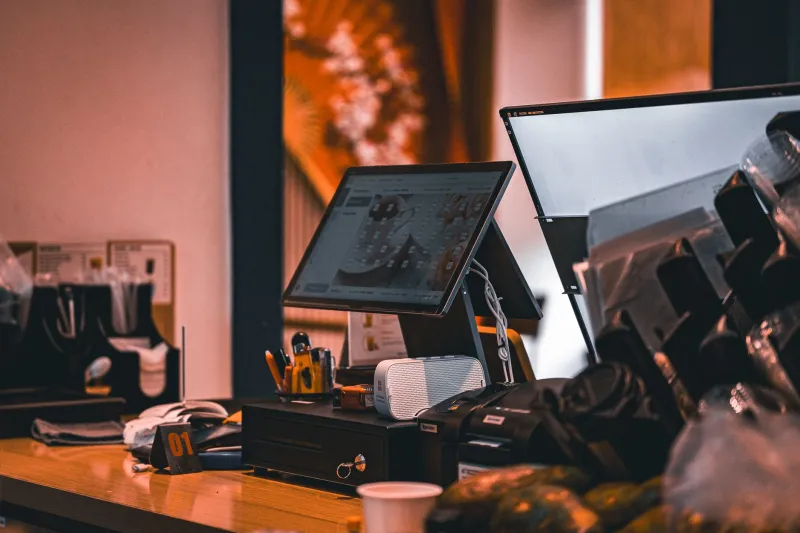
The card should be the last thing a customer sees before they pick up their bags, and the first thing they see if there is a line. Put it at eye level near the register, not flat on the counter. A 4-by-6-inch card in a cheap acrylic stand is enough. Add a second card at the bagging table or pickup window if you have one. At a farmers market, clip it to the front of the table and mention it out loud: 'If you want to know what's coming next week, scan that code.'
Keep the QR code large, at least 2 inches square, with high contrast. Test it outside in direct sun and from arm's length. Put a short URL underneath for the person whose camera is being difficult. The QR code should go straight to a mobile signup form, not your homepage. Every extra tap is a lost signup.
Write the ask like a farm stand sign
Vague asks get vague results. 'Join our newsletter' sounds like homework. 'Get one short email every Thursday with what's ripe, what's low, and the weekend special' sounds like a reason to scan. Write it in the same voice as your chalkboard.
Put three lines on the card:
- What they get: 'One email a week. What's ripe, what's running low, and Saturday hours.'
- Why now: 'Scan to get first pick of the next batch of sweet corn.'
- The exit: 'No spam. Unsubscribe anytime.'
An incentive helps but does not have to be a coupon. A free recipe card, a first-pick alert, or a dollar off the next visit all work. Skip the complicated loyalty program. The email list is the loyalty program.
Keep consent boring and clear
Permission is the whole point. Do not collect business cards in a fishbowl and add them later. Do not pull email addresses from credit card receipts. Do not buy a list. The customer should scan, see what they are signing up for, and tap a button that says 'Sign me up.'
Keep the form short: first name and email address. That is it. If you want to know what they buy, ask later. Include a plain sentence near the button: 'By signing up, you agree to receive marketing emails from [Farm Name]. About one email a week. Unsubscribe anytime.' Link to a privacy page if you have one. If you do not, that sentence is a good start.
Use the email tool's built-in consent checkbox if it has one. Do not pre-check it. If the tool offers double opt-in, use it. It costs nothing and keeps your list clean. And never share or sell the list. That is the bargain.
Set up the first three emails before you print the card
Most farm stand lists go quiet because the first email is a generic welcome and the second never comes. Set up three emails before you print anything.
-
Immediate: 'You're on the list. Here is what's ripe this week.' Thank them, tell them how often you will write, give stand hours, and name one crop that is good right now. Ask them to reply with what they want to hear about. Replies help deliverability and give you content ideas.
-
Two or three days later: 'The Saturday plan.' One crop, one quick recipe, one reason to stop by. Keep it short. A photo of the field or the display is better than a logo. Mention weather if it affects hours. Link to your crop-availability page if you have one.
-
A week to ten days later: 'What we're picking next.' Tell them what is coming, ask a one-question poll, and remind them they can unsubscribe. Then settle into a weekly rhythm. The point is not to sell every email. The point is to be the reason someone thinks of your stand on Thursday night.
Measure with a clipboard, not a dashboard
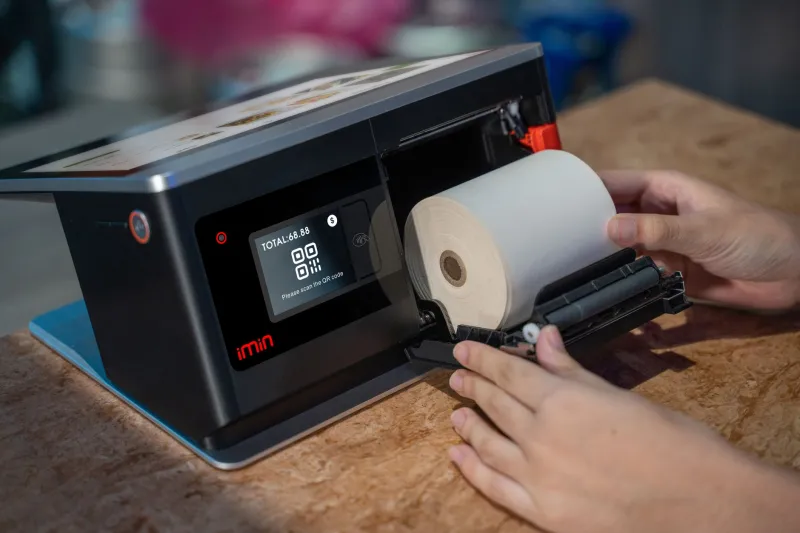
You do not need a new app. Pick one week, ideally a busy one, and count two things: transactions and signups. If you have a point-of-sale system, pull the transaction count. If you use a cash box, keep a hand tally counter by the register. At the end of the week, check the signup count in your email tool. Divide signups by transactions. That is your signup rate.
Example: 180 transactions and 15 signups is about 8%. That is a real number you can improve. Test one change at a time: the wording on the card, the placement, or the incentive. Run each version for a week. Do not change three things and guess which one worked.
Also watch the first three emails. If people sign up and never open, your card promised something the emails do not deliver. If they open but do not visit, the emails are entertaining but not useful. Adjust the subject lines and the crop details.
Keep the card as fresh as the produce
Print 50 cards, not 500. Laminate one for the register and one for the bagging table. Refresh the crop name on the card every couple of weeks. A card that still says strawberry season in July tells customers the list is stale. The QR code can stay the same. The promise around it should change with the fields.
At the end of the season, send one honest email: 'We're closing the stand for the winter. Here is when we will be back and what we are planting.' That single email is why the list is worth building. Next spring, you will not be starting from zero.