Rewards in Their Pocket: A No-App Loyalty Club for the Farm Stand
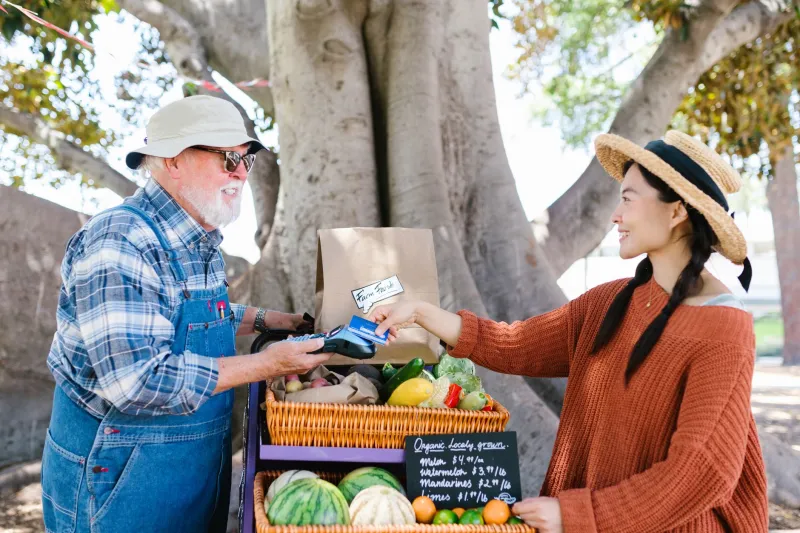
The paper punch card has a good heart and a bad memory. It ends up in a cupholder, a coat pocket, or the bottom of a tote bag with a receipt and a stray rubber band. The app version sounds tidy, but asking a customer to download software for a dozen ears of corn is a big ask. In 2026, most farm stands do not need either one.
A text-first loyalty club sits in the same place customers already look: their messages. No app store, no plastic card, no scanner. A customer joins by texting a keyword, gets a simple member code, and shows that code at checkout. You log the visit. They get closer to a reward. That is the whole machine.
Start With a Reward That Fits Farm-Stand Behavior
Farm stand shopping is not coffee-shop shopping. People do not come every Tuesday at 7:40 a.m. They come when the tomatoes are good, when the family is in town, or when they finally have twenty minutes to stop. A loyalty program that rewards frequency on a tight weekly schedule will punish the customer who shops deeply a few times a season.
Pick a reward that matches the way people actually buy. Three solid options:
- The visit reward: Buy five times and get a set amount off the sixth visit. Keep the window generous, such as through the end of the season, instead of thirty days.
- The spend reward: Earn a reward after a certain amount, like $60 across multiple trips. This works well for CSA-style buyers and families who stock up.
- The crop reward: A free pint of strawberries after four visits during strawberry season, or first pick of sweet corn before the public opening. Seasonal rewards feel like the farm, not a generic points program.
One reward is enough. Two rewards confuse the staff and the customer. If you want a second layer later, add early access to a crop or a small birthday-month treat, but only after the first reward is running smoothly.
The Code Does the Heavy Lifting
You do not need a customer-facing app to run this. You need a text messaging platform that handles opt-ins and automated replies, plus a way for staff to see whether a code has already earned a reward.
When someone texts your keyword, the platform replies with a unique member code. Something like FARM-26-1042 is fine. The customer shows the message at the register. Staff check the code, log the visit, and hand over the produce. If the platform supports it, set up an auto-reply that explains the reward in plain language: five visits, then $5 off, valid through the end of the season.
The code can also carry a little useful information without collecting any. Use the join month in the code, such as FARM-11 for November. That lets you compare how November joiners redeem against June joiners later. It is a small trick, but it saves you from building a customer profile you do not need.
Sign Up at the Register, Not on a Clipboard
The best signup is the one the customer starts themselves. Put a small sign at the register and a line on the receipt: Text FARM to [your number] to join the farm club. Five visits earns $5 off. That is it.
A short staff script helps, especially on busy Saturdays: 'If you want in on our text club, just text FARM to that number. Five visits gets you five dollars off. No app.' Keep it optional. Do not read numbers off a card or add people who did not ask.
If you use a QR code, put it on the table tent and receipt, but keep the text keyword visible too. Some customers will not scan a code at a farm stand, and that is fine. The text path is faster. Also make sure the platform confirms the opt-in and includes your farm name in the first message. In the US, text marketing needs clear consent, and every message should include a way to stop. Honor STOP immediately. Do not add phone numbers from order forms, Venmo, or a CSA list unless those customers specifically agreed to receive texts.
Keep the Data You Need and Skip the Rest
A loyalty club does not require birthdays, anniversaries, home addresses, or a full purchase history. It requires a phone number, a member code, and a tally. That is enough to run the reward and enough to measure it.
If you want an email fallback, add a simple signup page for people who do not text. But do not force both. The point is to lower friction, not build a marketing database the size of a county fair.
Measure Repeat Visits With a Tally, Not a Dashboard
You can learn a lot from three numbers:
- Signups per week. Count new codes issued. If the signup rate is low, the script or sign needs work.
- Redemptions per week. Count codes shown at checkout. This tells you whether the club is actually being used.
- Repeat code use. Count how many members show a code more than once. That is your repeat-visit signal, and it does not require tracking anyone by name.
If you use a POS system, compare average basket size on loyalty visits versus non-loyalty visits. You do not need to know who bought what. You just need the totals. Review the numbers once a month, not every day. A farm stand has enough moving parts without a dashboard habit.
A Four-Week Launch That Will Not Overwhelm the Stand
Week one: Pick one reward and write it in one sentence. Decide the season end date.
Week two: Set up the text platform, keyword, auto-reply, and consent language. Make a simple staff tally sheet or shared spreadsheet.
Week three: Print the receipt line, table tent, and a small register sign. Train staff on the code check and the STOP rule.
Week four: Launch quietly. Ask every customer at checkout for one weekend. Then review signups and redemptions before you print more signs.
The beauty of this setup is that it can start small. You do not need a custom app, a loyalty card printer, or a consultant. You need a clear reward, a unique code, a staff habit, and a light way to count what happens. The punch card finally lives somewhere customers will actually see it: in their messages, right next to the text that says they are almost due for a reward.